
Every year, Canadians throw away nearly 2.3 million tonnes of edible food enough to fill the Rogers Centre in Toronto more than twice over. While we worry about grocery prices climbing and food bank usage hitting record highs, roughly one-third of all food produced in Canada never gets eaten. This contradiction isn’t just wasteful; it’s creating environmental, economic, and social problems that affect every Canadian household.
Understanding why this happens and what we can do about it starts with recognizing that food waste isn’t someone else’s problem it’s happening in our kitchens, our communities, and throughout our food system. But here’s the encouraging part: meaningful change doesn’t require perfection. Small, practical adjustments in how we shop, store, and consume food can dramatically reduce waste while saving money and supporting a more sustainable food system.
The Real Scale of Canada’s Food Waste Problem
The numbers are staggering. According to research from the National Zero Waste Council, Canadian households waste approximately $1,766 worth of food annually money literally thrown in the garbage. Multiply this across all Canadian households, and we’re looking at over $20 billion in wasted food each year at the consumer level alone.
But household waste represents only part of the picture. Food loss occurs throughout the entire supply chain: farms discard produce that doesn’t meet cosmetic standards, processing facilities generate trimmings and off-cuts, retailers remove products approaching best-before dates, and restaurants prepare more than customers order. When you account for every stage from farm to fork, Canada’s total food waste approaches 58% of all food produced domestically.
The environmental impact extends beyond wasted resources. When food decomposes in landfills without oxygen, it produces methane a greenhouse gas 25 times more potent than carbon dioxide. Food waste in Canadian landfills generates approximately 56.6 million tonnes of CO2-equivalent emissions annually. That’s comparable to the emissions from 12 million cars.
Why Canadian Households Waste So Much Food
Understanding the causes helps identify practical solutions. Research consistently identifies several factors driving household food waste:
Over-Purchasing and Poor Planning: Without meal planning or shopping lists, we buy impulsively based on what looks appealing rather than what we’ll actually use. Bulk buying can seem economical but often leads to food spoiling before consumption. Sales and promotions tempt us to purchase quantities we can’t realistically consume.
Confusion About Date Labels: “Best before,” “use by,” and “expiry” dates create confusion. Many Canadians throw away perfectly safe food because they misunderstand these labels. Best-before dates indicate peak quality, not safety—most foods remain safe well beyond these dates. Only infant formula and some specific products have true expiry dates where safety becomes a concern.
Improper Storage Leading to Premature Spoilage: Storing produce incorrectly accelerates deterioration. Tomatoes refrigerated lose flavor and texture. Onions and potatoes stored together cause both to spoil faster. Herbs wilted in plastic bags could have lasted weeks with proper storage. These storage mistakes transform fresh ingredients into waste within days.
Portion Sizes and Leftovers: Cooking more than needed creates leftovers that often go uneaten. Without plans for using leftovers, they’re pushed to the back of the fridge, forgotten, and eventually discarded. Restaurant portions far exceed reasonable serving sizes, leading to plate waste or takeout containers abandoned in refrigerators.
Perfectionism About Produce: Slightly soft tomatoes, browning bananas, or wilted greens get tossed despite being perfectly edible and nutritious. We’ve been conditioned to expect visual perfection, discarding food based on appearance rather than actual quality or safety.
The Hidden Costs Beyond Your Wallet
Food waste’s impact extends far beyond household budgets:
Water Waste: Producing food requires enormous water resources. Canadian agriculture uses approximately 9% of total water withdrawals. When we waste food, we waste all the water used to grow, process, and transport it. That discarded head of lettuce represents roughly 15 gallons of water. A pound of wasted beef wastes approximately 1,800 gallons.
Energy and Transportation: Food production, processing, refrigeration, and transportation consume significant energy. Wasted food means wasted fuel for farming equipment, electricity for processing facilities, refrigeration throughout the supply chain, and transportation across vast Canadian distances.
Land Use Impact: If food waste were a country, it would be the third-largest greenhouse gas emitter globally after the United States and China. The land used to produce wasted food in Canada equals roughly 7 million hectares an area larger than New Brunswick.
Social Implications: While Canadians waste billions in food annually, over 1.8 million Canadians accessed food banks in 2023. This disconnect highlights systemic issues in food distribution and accessibility. Reducing waste creates opportunities for food recovery programs that redirect edible food to people facing food insecurity.
Practical Solutions: What Individual Canadians Can Do

Meaningful reduction doesn’t require perfection small, consistent changes create significant impact:
Smart Shopping Strategies:
Plan weekly meals before shopping. Check what you already have to avoid duplicate purchases. Create specific shopping lists organized by store sections to resist impulse buying. Buy loose produce in needed quantities rather than pre-packaged amounts that might be excessive. Consider frozen vegetables they’re flash-frozen at peak ripeness, last months, and eliminate the “use it or lose it” pressure of fresh produce.
Shop more frequently for fresh items if feasible. European-style shopping (smaller quantities, more frequent trips) aligns better with actual consumption than North American bulk buying, especially for households of one or two people.
Proper Food Storage:
Learn which produce belongs in the refrigerator versus counter storage. Tomatoes, potatoes, onions, garlic, and winter squash stay at room temperature. Berries, leafy greens, carrots, and celery need refrigeration. Store herbs upright in water like flowers, or wrap in damp towels inside containers.
Invest in proper storage containers. Airtight containers extend the life of opened packages and leftovers significantly. Clear containers help you see what you have, reducing “out of sight, out of mind” waste.
Organize refrigerators with older items front and center. Implement “first in, first out” principles new purchases go behind existing items. Dedicate one shelf to “eat me first” items approaching their use-by window.
Creative Leftover Management:
Designate one weekly meal as “leftover buffet” where everyone eats whatever needs consuming. Transform yesterday’s roast chicken into today’s soup, sandwich filling, or salad topping. Stale bread becomes croutons, breadcrumbs, or French toast. Overripe fruit blends into smoothies or bakes into muffins.
Freeze strategically. Leftover wine freezes into cubes for cooking. Overripe bananas freeze for future baking. Extra stock or broth freezes in measured portions. Even leftover coffee freezes for iced coffee later.
Understanding Date Labels:
Educate yourself about label meanings. “Best before” relates to quality, not safety. Foods past these dates might have slightly reduced texture or flavor but remain safe to eat. Use your senses if food looks, smells, and tastes normal, it’s generally fine regardless of best-before dates.
Only be cautious with meat, dairy, and prepared foods showing signs of spoilage (off odors, unusual textures, visible mold beyond cheese rinds). When in doubt about safety, discard it, but don’t automatically throw away food based solely on dates.
Composting as Last Resort:
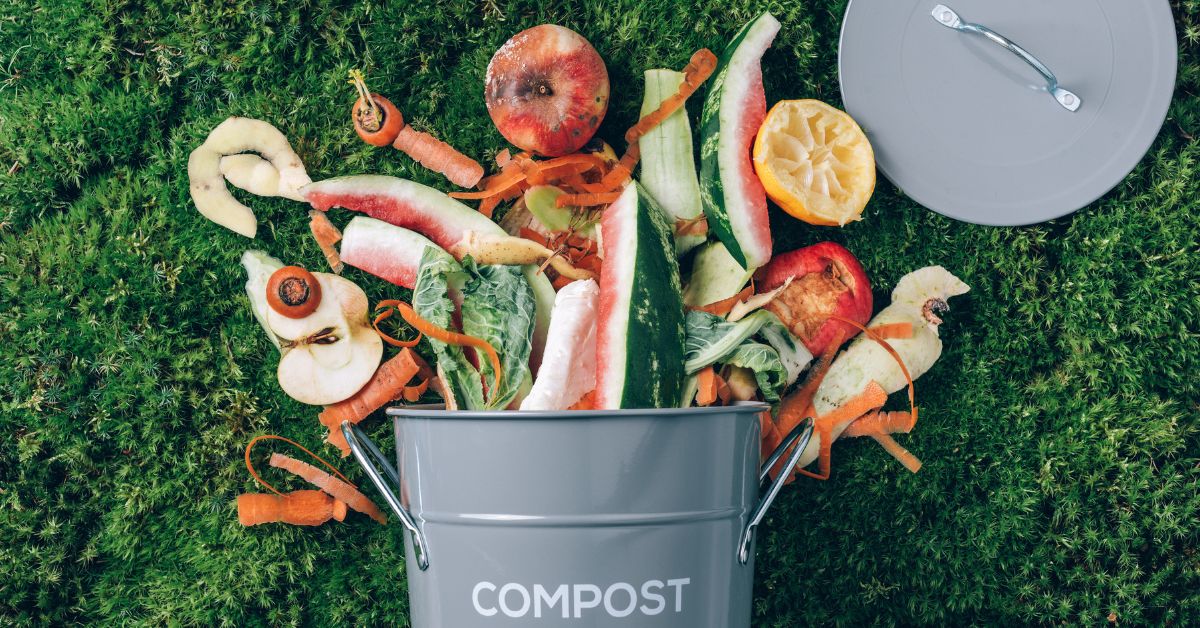
For truly inedible food scraps peels, cores, eggshells, coffee grounds composting diverts waste from landfills while creating nutrient-rich soil amendment. Many Canadian municipalities offer green bin programs for organic waste. If unavailable, backyard composting transforms kitchen scraps into garden gold. Even apartment dwellers can vermicompost (worm composting) in small spaces.
Composting doesn’t reduce food waste (the food is still wasted), but it prevents methane generation in landfills and returns nutrients to soil rather than burying them in garbage.
Community and System-Level Solutions
Individual action matters, but systemic changes amplify impact:
Supporting Food Recovery Programs:
Organizations across Canada rescue edible food from retailers, restaurants, and events, redirecting it to people in need. Second Harvest, Canada’s largest food rescue organization, recovered 28 million pounds of food in 2023. Supporting these organizations through donations or volunteering extends food’s usefulness beyond your household.
Urban Agriculture Initiatives:
Growing food locally reduces transportation distances, associated emissions, and opportunities for waste. Community gardens, urban farms, and even balcony container gardens contribute to food security while reconnecting Canadians with food production. Urban farming initiatives are expanding across Canadian cities, making fresh produce more accessible while reducing the environmental footprint of food systems.
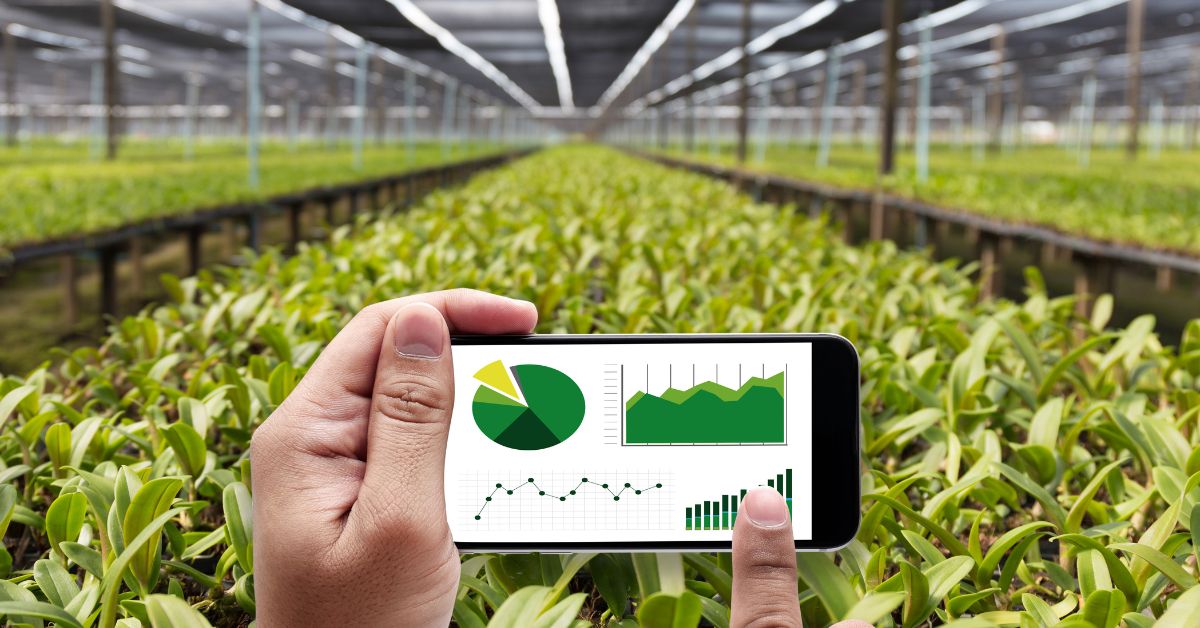
Technology is supporting these efforts intelligent farming platforms help urban growers optimize plant health, track yields, and manage resources efficiently, making small-scale food production more viable and productive.
Policy and Infrastructure Improvements:
Government initiatives like Canada’s Food Policy for Canada (announced in 2019 with $134 million in investments) aim to reduce food waste, improve food security, and support local food systems. Provincial and municipal programs are implementing organic waste collection, supporting food recovery infrastructure, and regulating date labeling clarity.
Retailer and Restaurant Initiatives:
Progressive grocers are selling “imperfect” produce at discounts, reducing cosmetic standards that drive farm-level waste. Apps like Too Good To Go connect consumers with restaurants and bakeries selling surplus food at reduced prices. These market-based solutions make waste reduction economically attractive for businesses while providing affordable food options for consumers.
The Business Case for Waste Reduction
Food waste costs Canadian businesses billions annually. Restaurants operate on thin margins wasted food directly impacts profitability. Retailers absorbing losses from unsold inventory pass those costs to consumers through higher prices.
Smart businesses are recognizing waste reduction as profit opportunity. Inventory management systems track sales patterns, optimizing ordering to match actual demand. Menu engineering reduces plate waste by right-sizing portions or offering size options. Food recovery programs provide tax benefits while supporting communities.
The circular economy approach views “waste” as resources misplaced. Businesses finding creative uses for byproducts transforming vegetable trimmings into stock, feeding organic waste to livestock, or composting at scale reduce disposal costs while creating value.
Looking Forward: A More Sustainable Food Future
Canada has committed to reducing food waste by 50% by 2030 as part of the Canadian Food Waste Reduction Strategy. Achieving this ambitious goal requires participation from every sector and every household.
The good news: momentum is building. Awareness is growing. Technology provides tools for better management. Younger generations particularly value sustainability and are driving cultural shifts toward waste consciousness.
Your individual contribution might seem small, but multiplied across millions of Canadian households, these actions create transformative change. Every meal planned, every leftover eaten, every smart storage decision chips away at this massive problem.
The food system that feeds Canadians can be more efficient, more equitable, and more sustainable. It starts with recognizing that food waste isn’t inevitable it’s a solvable problem requiring awareness, intention, and practical action.
Modern agricultural technology and platforms are making it easier for both commercial growers and home gardeners to produce food efficiently, track resources, and minimize waste throughout the growing process. These innovations support the broader goal of creating food systems that value every calorie produced.