
Cities are growing faster than ever, but green space is not. As buildings rise and land becomes more expensive, many urban residents are starting to look upward instead of outward. The unused surface above homes, offices, and commercial buildings is quietly becoming one of the most valuable places for growing plants, food, and community connection.
This shift is not just about aesthetics. It is about food resilience, climate adaptation, and making cities more livable.
Why City Roofs Are Being Reimagined
Flat and semi flat roofs cover a massive amount of surface area in urban areas. For years, they served no purpose beyond insulation and drainage. Today, those same spaces are being transformed into productive green zones that support herbs, vegetables, flowers, and even small fruit plants.
People are choosing to grow plants on top of buildings for several reasons:
- Limited access to ground level land
- Rising interest in local food production
- Increasing summer heat in cities
- Desire for greener living environments
Research from organizations like the Food and Agriculture Organization shows that urban food production can improve food security and reduce environmental impact when done correctly. You can explore related insights on sustainable food systems at https://www.fao.org/home/en
What Makes Roof Based Growing Different
Growing plants above ground level is not the same as using a backyard or field. These spaces face stronger wind, more sun exposure, and structural limits that must be respected.
Successful setups usually focus on:
- Lightweight growing systems
- Shallow but nutrient rich soil mixes
- Efficient water management
- Smart plant selection
This is where planning matters more than enthusiasm. Without the right structure, drainage, and load calculation, even a well intentioned project can fail.
If you want a deeper breakdown of how these elevated green spaces are being designed specifically for Canadian conditions, this guide explains the process clearly: https://aifarming.ca/blogs/rooftop-gardening-in-canada
Best Plants for Elevated Urban Spaces
Not every plant thrives in an exposed environment. The most successful choices tend to be resilient, fast growing, and adaptable.
Common options include:
- Leafy greens like lettuce, spinach, and kale
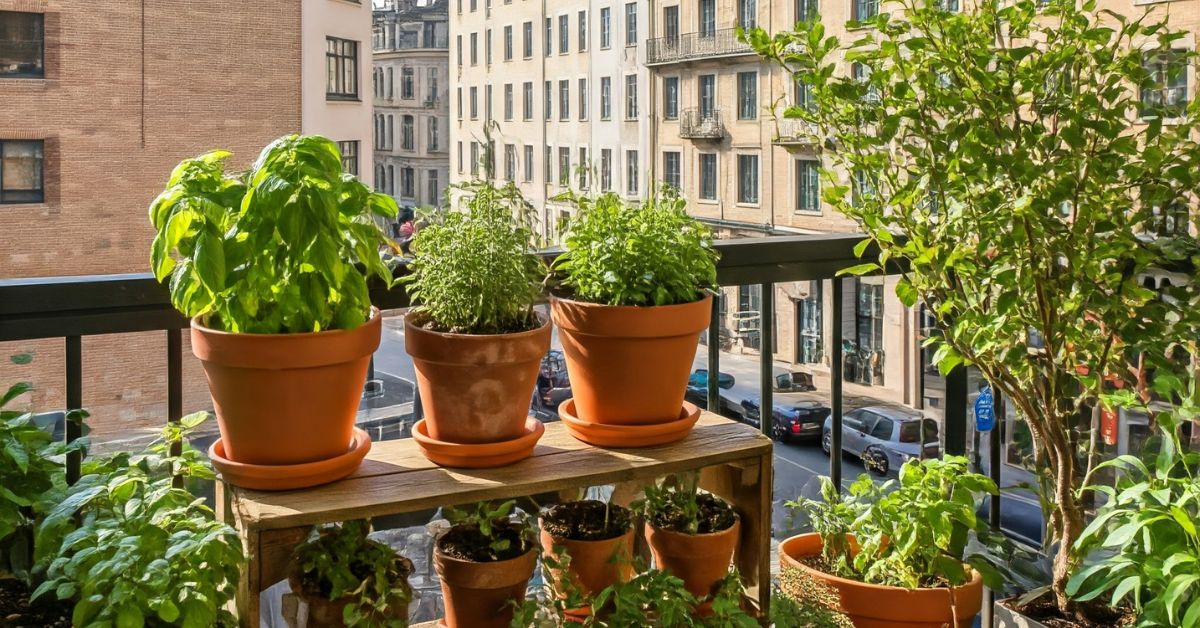
- Culinary herbs such as basil, mint, thyme, and coriander
- Compact vegetables like cherry tomatoes and peppers
- Native flowers that support pollinators
In colder regions, seasonal planning is essential. Using cold tolerant varieties and starting seedlings indoors can extend the growing window significantly.
For plant hardiness guidance by region, the Government of Canada provides reliable data at: https://natural-resources.canada.ca
Environmental Benefits Beyond Food
The value of green roofs goes far beyond harvests. These spaces help cities manage heat, water, and air quality more effectively.
Some key benefits include:
- Lower indoor temperatures during summer
- Reduced stormwater runoff
- Improved air quality
- Noise reduction in dense areas
Studies from institutions like the National Research Council of Canada show that vegetated roofs can significantly reduce urban heat island effects. You can explore similar research at: https://nrc.canada.ca
Common Mistakes People Make
Many first time growers focus only on plants and forget the foundation. The most common issues include:
- Ignoring structural load limits
- Poor drainage design
- Overwatering
- Using regular garden soil instead of lightweight mixes
Another mistake is trying to do everything manually. As projects scale, automation becomes less of a luxury and more of a necessity.
How Technology Is Changing Urban Growing
Modern urban agriculture is no longer limited to pots and watering cans. Smart systems now allow people to monitor moisture, nutrients, and plant health remotely.
Automated irrigation, climate sensors, and AI driven insights are helping growers avoid guesswork and reduce waste. These tools make it possible for beginners to succeed while giving experienced growers better control.
If you are exploring how intelligent systems are shaping the future of food production in cities, you can learn more here: https://aifarming.ca/
Is a Roof Garden Right for You
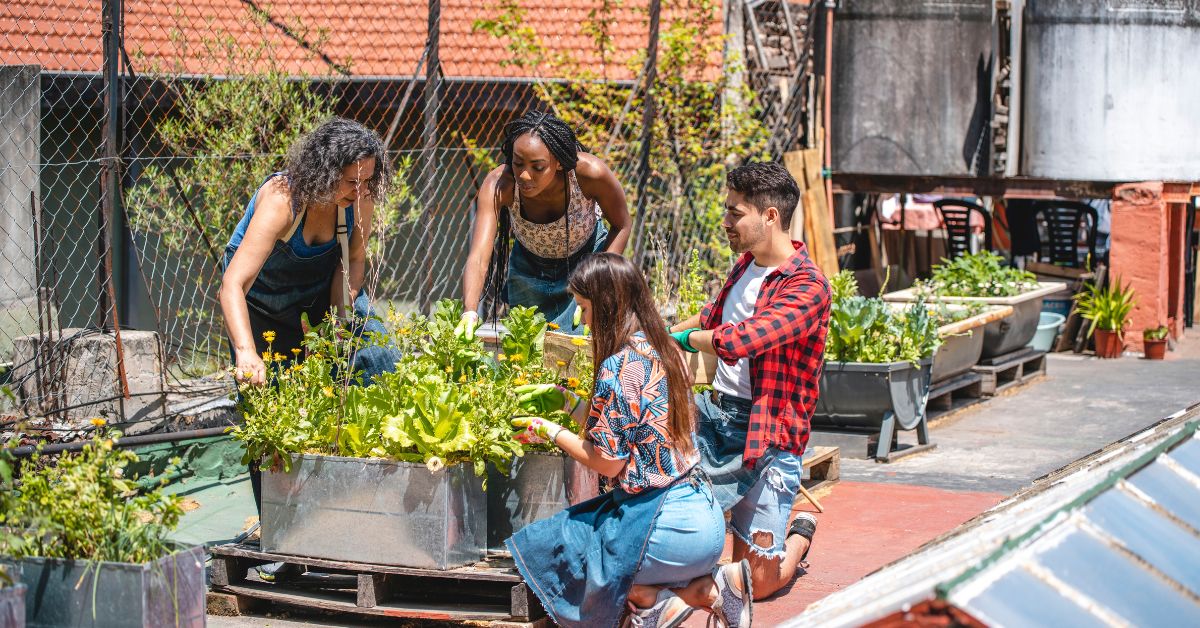
This approach is not only for large buildings or commercial projects. Small residential setups are becoming more common as awareness grows.
It may be a good fit if you:
- Have limited outdoor space
- Want fresher produce at home
- Care about sustainable living
- Enjoy learning and experimentation
Before starting, it is always wise to consult a structural professional and check local building regulations.
Final Thoughts
Urban roofs are no longer just structural elements. They are becoming active contributors to food systems, environmental health, and personal well being. With the right planning, plant choices, and technology, these spaces can deliver real value instead of sitting unused.
As cities continue to expand, the future of sustainable living may be closer than we think, right above our heads.