
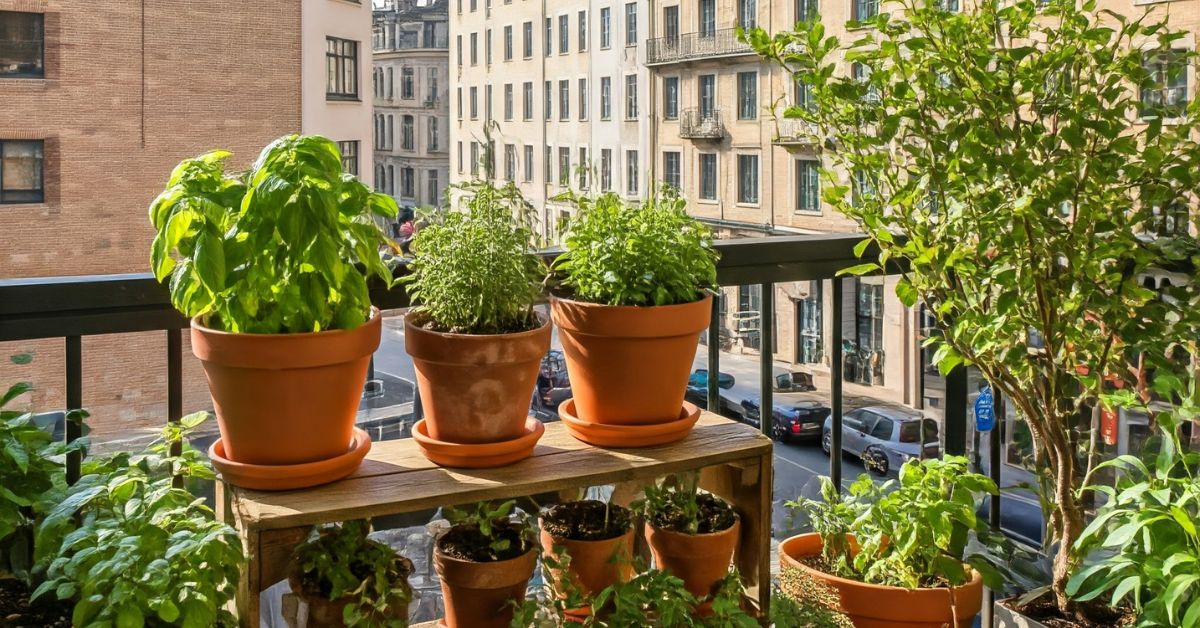
There’s something magical about stepping onto your balcony and being greeted by vibrant blooms instead of bare concrete. Whether you’re working with a spacious terrace or a compact apartment balcony barely wide enough for a bistro set, flowering plants can transform these overlooked spaces into personal sanctuaries that rival any traditional garden.
The challenge isn’t whether you can grow beautiful flowering plants in containers on your balcony you absolutely can. The real question is how to do it successfully without the trial-and-error frustration that leads many urban gardeners to give up after one disappointing season.
This guide walks you through everything you need to know: from understanding the unique conditions of elevated growing spaces to selecting plants that will actually thrive (not just survive) in your specific environment, and maintaining them with minimal time investment.
Understanding Your Balcony’s Unique Growing Environment
Before selecting a single plant, you need to understand what makes balcony growing fundamentally different from ground-level gardening. These differences aren’t minor details they determine whether your plants flourish or struggle.
Exposure and Wind Patterns: Balconies typically experience stronger, more consistent wind than ground-level gardens. On buildings above the fourth floor, wind speed can be 30-40% higher than at ground level. This constant air movement dries out soil faster and can damage delicate petals and stems.
Wind doesn’t just dry plants it creates mechanical stress. Flowers that handle gentle breezes beautifully at ground level might get shredded on an exposed eighth-floor balcony. This is why understanding your specific wind exposure matters more than following generic planting advice.
Microclimates and Sun Intensity: A south-facing balcony on the 10th floor receives significantly more intense sunlight than a south-facing ground garden. Without the moderating influence of surrounding soil mass and vegetation, temperatures on balconies can swing dramatically 15-20°F warmer during the day and potentially cooler at night.
These temperature swings stress plants in ways they wouldn’t experience in traditional gardens. Your containers heat up faster in morning sun and cool down more quickly after sunset. Understanding this helps you select species that can handle thermal variability rather than just “full sun” or “partial shade.”
Drainage and Water Management: Unlike ground gardens where excess water disperses through soil, container drainage on balconies needs careful management. Too much drainage might create problems with downstairs neighbors. Too little leads to root rot. You’re working with a closed system that requires more attention than most gardening guides acknowledge.
Assessing Your Balcony Before Planting
Successful balcony flowering starts with honest assessment of your specific conditions. Here’s what actually matters:
Sun Exposure Mapping: Don’t rely on general directions (south-facing, north-facing). Observe your space throughout the day for at least a week before buying plants. Note:
- When does direct sunlight first hit different areas?
- Are there periods of intense afternoon sun that might scorch plants?
- Do neighboring buildings create shadows that move across your space?
- How does sun exposure change between seasons? (That shaded corner in summer might get full winter sun)
A practical approach: Use painter’s tape to mark your balcony floor in sections. Note the sun hours each section receives. This creates a simple map showing where sun-loving bloomers belong versus shade-tolerant varieties.
Weight and Structural Considerations: Balcony weight capacity isn’t unlimited, and soil-filled containers are surprisingly heavy. A large planter (18 inches) filled with moist potting mix can easily weigh 50-80 pounds. Add several of these plus plants, and you could be approaching weight limits, especially on older buildings.
Check your building’s balcony weight capacity (usually specified in your lease or condo documents, typically 40-60 pounds per square foot for residential balconies). Account for both the weight of containers when fully watered plus the weight of furniture and people.
If weight is a concern, position heavier planters near the building wall where structural support is strongest, and use lightweight containers (plastic or fiberglass rather than ceramic) filled with soilless growing mixes that weigh significantly less than traditional potting soil.
Wind Protection Assessment: Stand on your balcony and observe wind patterns. Does wind consistently come from one direction? Are there periods of particularly strong gusts? Can you create protected microclimates using furniture or structures?
Research from the University of Florida shows that even partial wind barriers can reduce stress on plants by 40-50%. A simple glass panel on one side or strategic placement near a solid railing can create substantially calmer conditions.
Container Selection for Flowering Success
The container matters almost as much as the plant itself. Here’s what actually makes a difference:
Size and Volume: The common advice is “bigger is better,” but that’s oversimplified. More accurately: root volume determines plant vigor. A geranium in a 6-inch pot will never achieve the lush growth of the same plant in a 12-inch container, regardless of how much you fertilize.
However, bigger containers mean more weight, more soil to keep moist, and less flexibility in arranging your space. The optimal approach: match container size to plant mature size. Annual bloomers that grow for one season can thrive in smaller containers (8-12 inches). Perennials you’re keeping long-term need larger volumes (14-18 inches minimum).
Material Considerations: Each material has real tradeoffs:
Terra Cotta/Ceramic: Beautiful and provides excellent root temperature regulation (the porous material allows evaporative cooling). However, they’re heavy, can crack in freeze-thaw cycles, and dry out quickly because moisture evaporates through the pot walls, not just the soil surface. Best for: shaded balconies where moisture retention isn’t critical, or ground-floor balconies where weight isn’t a concern.
Plastic/Resin: Lightweight and retain moisture well sometimes too well. Dark-colored plastic containers can heat significantly in direct sun, potentially cooking roots. Light-colored options help reflect heat. Best for: higher floors where weight matters, sunny locations if you choose light colors.
Glazed Ceramic: Combines the beauty of ceramic with the water retention of plastic (the glazed interior doesn’t allow evaporation through the walls). Moderate weight. Best for: balconies where aesthetics matter and moderate weight is acceptable.
Self-Watering Containers: These include a reservoir that allows plants to draw water as needed. They can reduce watering frequency by 50-70% but add weight and cost. Best for: busy urban gardeners, vacation-proof setups, or particularly wind-exposed balconies where surface evaporation is excessive.
Drainage Requirements: Every container needs drainage holes this is non-negotiable. Standing water kills more container plants than any other factor. However, you also need to manage that drainage.
Use saucers under all pots to catch excess water. This prevents water damage to balcony surfaces and avoids drips onto lower balconies. Empty saucers within a few hours after watering to prevent mosquito breeding and root problems.
For larger containers, consider using pot feet or risers to elevate containers slightly. This improves air circulation around the bottom of the pot, helps drainage, and reduces the risk of water staining balcony surfaces.
Soil and Growing Medium for Container Blooms
Garden soil in containers is a recipe for disappointment. It compacts, drains poorly, and weighs significantly more than alternatives. Purpose-designed container mixes make the difference between struggling plants and thriving displays.
The Right Mix: Quality container mixes typically combine:
- Peat moss or coconut coir (moisture retention and aeration)
- Perlite or vermiculite (drainage and air spaces)
- Compost (nutrients and beneficial microorganisms)
- Sometimes bark or other organic matter (structure)
Research from Cornell University’s horticulture program demonstrates that soilless mixes specifically designed for containers outperform garden soil by 200-300% in container productivity measures.
Special Considerations for Balconies: Standard container mixes work, but you can optimize for balcony conditions:
For windy, exposed balconies: Add extra weight with sand or fine gravel at the bottom 2-3 inches of large containers. This provides ballast against tipping while maintaining good drainage. The upper growing mix remains lightweight.
For hot, sunny balconies: Increase moisture-retention capacity by mixing in additional coconut coir or water-retaining crystals (polymer crystals that absorb and slowly release water). These can extend time between waterings by 30-50%.
For shaded balconies: Standard mixes work well, but ensure excellent drainage since evaporation rates are lower in shade. Consider mixing in extra perlite (10-20% more than standard recipes).
Moisture Retention Additives: Water-absorbing polymers (brands like Soil Moist) can help, but use them carefully. They expand when wet adding too much can cause soil to overflow from containers. Follow package directions carefully, typically 1 teaspoon per gallon of potting mix.
These polymers work best for balconies where daily watering is impractical, but they’re not magic. In extreme heat or wind, you’ll still need to water regularly, just less frequently.
Watering Strategies for Balcony Bloomers
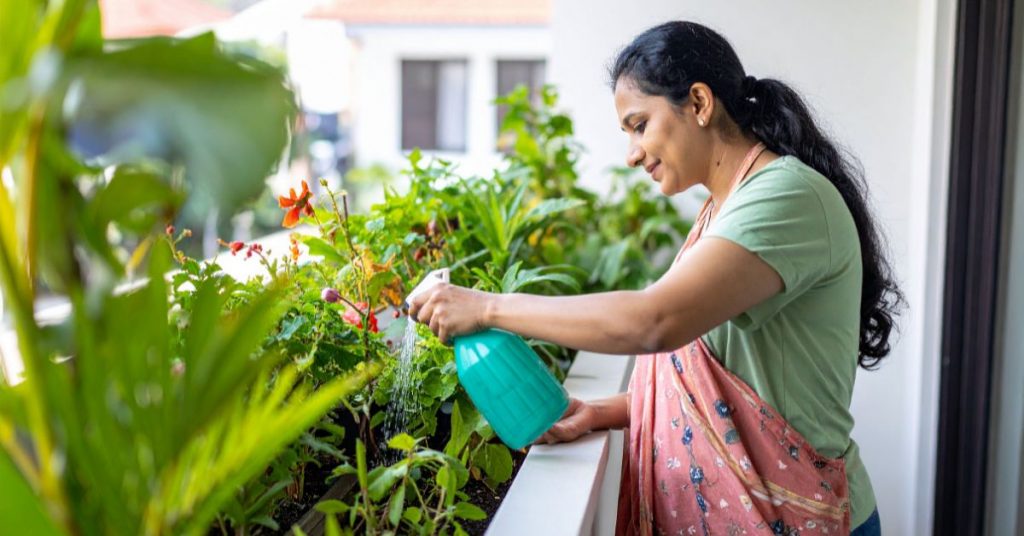
Water management makes or breaks balcony gardening success. The combination of wind, sun exposure, and limited soil volume means your plants need more frequent attention than ground gardens.
Understanding Water Needs: Container-grown flowering plants typically need water when the top inch of soil feels dry to the touch. However, surface dryness doesn’t always indicate root zone moisture levels, especially in larger containers.
A more reliable method: lift containers when you first plant them and note the weight. Lift them periodically you’ll quickly learn to recognize when they need water by weight. A properly watered container feels noticeably heavier than a dry one.
The Deep Watering Method: Shallow, frequent watering encourages shallow root growth and salt buildup. Instead, water deeply but less often:
- Water until it flows from drainage holes
- Wait 10-15 minutes, then water again (the first watering often channels through dry areas without fully saturating the soil)
- Let containers drain completely
- Don’t water again until the top inch of soil is dry
This approach encourages deeper root growth and more drought-resistant plants.
Seasonal Adjustment: Water needs vary dramatically by season:
Spring: Moderate watering as plants establish and temperatures are mild. Check every 2-3 days.
Summer: Peak watering demands. Hot, windy conditions might require daily watering, sometimes twice daily for small containers. Morning watering is ideal it allows foliage to dry before night (reducing disease risk) while providing moisture for the hot afternoon.
Fall: Decreasing temperatures mean lower evaporation. Gradually reduce watering frequency. Check every 3-4 days.
Winter: (for overwintered plants) Minimal watering. Dormant plants need just enough to prevent complete drying. Check every 1-2 weeks.
Vacation and Extended Absence Solutions: Self-watering containers solve the vacation problem elegantly. Alternatively:
- Group containers together in the shadiest area (reduces total evaporation)
- Create a wick watering system using cotton rope running from a water reservoir to container soil
- Ask a neighbor to water, but leave detailed instructions (many plants die from “helpful” over-watering by well-meaning neighbors)
- Drip irrigation systems with timers (practical for larger balcony gardens)
Fertilization for Continuous Blooming
Container-grown plants depend entirely on you for nutrition. Unlike ground gardens where roots can explore for nutrients, container plants exhaust their growing medium’s nutrients within 4-6 weeks.
Why Container Plants Need More Feeding: Each watering leaches nutrients through the drainage holes. This constant loss means container bloomers need regular fertilization to maintain vigor and continuous flowering.
Under-fertilized flowering plants don’t typically die they just perform poorly. Fewer blooms, smaller flowers, less vibrant colors, and weak growth all indicate insufficient nutrition.
Fertilizer Types and Approaches:
Slow-Release Granular: Mix into soil at planting time. Small beads release nutrients gradually over 3-4 months. Convenient and provides steady nutrition, but you lose control you can’t adjust feeding mid-season if plants show signs of nutrient deficiency or excess.
Best for: Long-season perennials where consistent, moderate feeding is appropriate.
Water-Soluble Fertilizers: Dissolved in water and applied during regular watering. Provides immediate nutrition that plants can use quickly. Requires more frequent application (typically every 1-2 weeks during active growth) but gives you precise control.
Best for: Heavy-feeding flowering annuals that benefit from higher nutrition levels during peak blooming.
Combination Approach: Many experienced container gardeners use both: slow-release fertilizer at planting for base nutrition, supplemented by occasional water-soluble applications during peak growth and flowering periods.
The Right NPK Ratio: Fertilizer packages show three numbers (like 10-10-10 or 15-30-15) representing nitrogen-phosphorus-potassium percentages.
For flowering containers:
- Too much nitrogen (first number) promotes foliage growth at the expense of flowers
- Higher phosphorus (middle number) encourages flowering and root development
- Adequate potassium (third number) supports overall plant health and stress tolerance
Look for formulas with balanced or higher middle numbers for flowering plants. Something like 10-20-10 or 15-30-15 works well for most bloomers.
Fertilization Schedule:
- At planting: Mix slow-release fertilizer into growing mix, or apply water-soluble fertilizer at half strength
- Active growth period (spring/summer): Water-soluble fertilizer every 1-2 weeks at package-recommended strength
- Fall: Reduce frequency to every 3-4 weeks as growth slows
- Winter: No fertilization for dormant plants
Signs of Nutrient Problems:
- Yellowing lower leaves: Often indicates nitrogen deficiency
- Few flowers despite healthy foliage: May indicate too much nitrogen, not enough phosphorus
- Brown leaf tips: Possible fertilizer burn (too much too often)
- Overall pale, weak growth: General nutrient deficiency
Plant Selection for Balcony Success
Choosing plants suited to your specific conditions matters more than choosing the “best” plants in absolute terms. A shade-loving impatiens will fail miserably on a sun-drenched balcony no matter how carefully you tend it, while sun-loving lavender will languish in dim conditions.
Matching Plants to Light Conditions:
Full Sun Balconies (6+ hours direct sun): These high-light conditions suit Mediterranean and drought-adapted species that evolved in intense sun. Look for plants with: silver or gray foliage (reflects light), thick or waxy leaves (conserves water), or compact growth habits (withstands wind).
Strong performers include plants with natural heat tolerance that won’t fade or wilt in afternoon sun. Consider varieties specifically bred for container culture they typically have more compact root systems and better proportions for container growing.
Partial Sun/Partial Shade (3-6 hours sun): This middle ground offers the widest plant selection. Most flowering plants tolerate these conditions, though “full sun” species may produce fewer blooms, while “shade” plants might stretch or flower more enthusiastically than in deep shade.
This is the most flexible light condition for experimentation and succession planting (replacing spent plants with new varieties throughout the season).
Shade Balconies (Less than 3 hours direct sun): Limited sun doesn’t mean no flowers, but it requires selecting plants adapted to lower light. Many shade bloomers have larger flowers (to attract pollinators in dim conditions) and lush foliage that remains attractive even between bloom cycles.
Shade-tolerant bloomers often prefer consistent moisture and benefit from the lower evaporation rates of shaded balconies.
Heat and Cold Tolerance Considerations: USDA hardiness zones matter for perennials you plan to overwinter, but for seasonal displays, heat tolerance and cold sensitivity are more relevant.
Balconies often experience temperature extremes beyond what ground-level gardens face. Summer heat can be brutal on exposed balconies (container soil can reach 90-100°F in direct sun), while spring and fall nights can be surprisingly cold.
Check not just hardiness zones but also heat tolerance zones when selecting plants. The American Horticultural Society’s heat zone map provides heat tolerance information that complements cold hardiness zones.
Understanding Bloom Seasons: Create successive interest by selecting plants with different peak blooming periods:
- Early season (spring): Plants that establish and bloom quickly, often tolerate cooler temperatures
- Peak season (summer): Heat-tolerant varieties that flower continuously through hot weather
- Late season (fall): Species that actually perform better as temperatures moderate
This succession approach keeps your balcony interesting throughout the growing season rather than having everything peak simultaneously for 2-3 weeks then fade.
Design Strategies for Maximum Visual Impact
A random collection of flowering containers looks like. a random collection of flowering containers. Strategic design creates cohesive displays that appear intentional and magazine-worthy.
The Thriller-Filler-Spiller Formula: This classic container design principle creates professional-looking arrangements:
Thriller: A tall, dramatic plant at the container center or back (depending on viewing angle). This provides height and draws the eye upward.
Filler: Medium-height, mounding plants that surround the thriller and provide body to the arrangement. These typically bloom prolifically and fill visual gaps.
Spiller: Trailing plants around the container edge that cascade downward, softening the container edge and creating visual flow.
This formula works for mixed containers where multiple plant types share one large pot. Even if you prefer single-plant containers, understanding these roles helps you create visual balance across your entire balcony.
Color Theory Applications:
Monochromatic Schemes: Various shades of one color create sophisticated, cohesive looks. An all-white balcony garden feels elegant and calm. An all-purple display feels rich and dramatic. This approach is forgiving—most plants in similar color families look good together.
Complementary Colors: Colors opposite on the color wheel (purple and yellow, orange and blue, red and green) create vibrant, high-energy combinations. These demand attention and work well for balconies visible from inside where you want cheerful energy.
Analogous Colors: Adjacent color wheel colors (blue-purple-pink or yellow-orange-red) create harmonious, naturally coordinated looks. These feel planned but not overly formal.
Hot vs. Cool Schemes: Warm colors (reds, oranges, yellows) appear to advance visually, making spaces feel more intimate. Cool colors (blues, purples, whites) recede visually, making small balconies feel more spacious.
Use this perception strategically: warm colors near seating areas for cozy feelings, cool colors in areas you want to visually expand.
Vertical Gardening for Space Maximization: Limited floor space doesn’t limit your flowering capacity. Vertical growing strategies multiply your planting area:
Wall-Mounted Planters: Attach containers directly to railings or walls (check building rules first some prohibit permanent attachments). This frees floor space while adding visual interest at eye level.
Tiered Plant Stands: Multi-level stands place containers at different heights, creating dimension and allowing you to grow more plants in the same floor footprint.
Hanging Baskets: Suspended from overhead structures, these add overhead interest and are perfect for trailing varieties. Be mindful of weight (especially when watered) and ensure hanging hardware is rated for the load.
Railing Planters: Special containers designed to hook over balcony railings utilize otherwise unused space. Ensure these are secured properly a falling planter could injure someone below.
Creating Focal Points: Every effective design needs a visual anchor something that draws attention first and organizes the rest of the display around it.
Focal points might be:
- An unusually large or dramatic plant
- A particularly eye-catching container
- A grouping of multiple containers in the same color scheme
- A vertical feature like a trellis with flowering vines
Position focal points where you naturally look when entering your balcony, typically at eye level and straight ahead from the door.
Seasonal Maintenance and Care
Beautiful balcony displays require ongoing care, but establishing routines makes maintenance manageable even with busy schedules.
Daily Tasks (5-10 minutes):
- Visual inspection during morning coffee or evening relaxation
- Check soil moisture in a few containers (you don’t need to check every single one daily)
- Pinch off spent blooms (deadheading) from one or two plants
- Water if needed based on weather and season
Weekly Tasks (30-45 minutes):
- Systematic deadheading (removing spent flowers encourages continued blooming)
- Check all plants for pest or disease signs
- Fertilize if using water-soluble formulas
- Sweep/clean balcony surface
- Rotate containers 90 degrees (ensures even growth if sun comes from one direction)
Monthly Tasks (1-2 hours):
- Inspect container drainage (ensure holes aren’t blocked)
- Trim back overgrown plants
- Replace any plants that have declined or finished their season
- Check container stability (wind and weather can shift things)
- Deep clean containers and saucers
Deadheading Techniques: Removing spent flowers isn’t just aesthetic it prevents plants from setting seed, which signals them to stop producing new flowers.
Most flowers can be pinched off with your fingers where the stem meets the main branch. For plants with tough stems, use clean pruning shears. Some plants (like petunias) benefit from occasional hard cutbacks removing about one-third of the plant length promotes fresh, bushy growth and renewed flowering.
Not all plants require deadheading. Self-cleaning varieties (newer petunia and geranium cultivars) drop spent flowers naturally. Others, like impatiens, don’t need it for continued flowering but look tidier with occasional cleanup.
Managing Growth and Pruning: Container plants can become overgrown or leggy, especially in conditions that aren’t perfectly optimal. Strategic pruning maintains attractive forms:
Pinching: Remove the growing tip of stems, encouraging branching and bushier growth. Particularly useful early in the season for plants like coleus or chrysanthemums.
Shearing: Use hedge shears to trim back the entire plant by one-quarter to one-third. Sounds drastic but rejuvenates tired mid-season plants. Most recover within 2-3 weeks with fresh, vigorous growth.
Selective Removal: Remove dead or diseased stems, branches growing in awkward directions, or portions that are competing for space with neighboring plants.
Pest and Disease Management
Container-grown flowering plants face fewer pest pressures than ground gardens but aren’t immune. Early detection and prompt action prevent small problems from becoming serious.
Common Balcony Pests:
Aphids: Small, soft-bodied insects (green, black, or brown) clustered on new growth and flower buds. They suck plant sap, causing distorted growth and sticky honeydew secretions.
Management: Spray with water to dislodge them. For persistent infestations, insecticidal soap or neem oil works well. Encourage natural predators like ladybugs.
Spider Mites: Tiny creatures barely visible to the naked eye. First sign is often fine webbing on leaves and stippled, yellowing foliage. Thrive in hot, dry conditions.
Management: Increase humidity around plants (mist foliage regularly). Spray with water, focusing on leaf undersides. Horticultural oil or insecticidal soap for serious infestations.
Whiteflies: Small white insects that fly up in clouds when plants are disturbed. Feed on leaf undersides, causing yellowing and weakening.
Management: Yellow sticky traps catch adults. Insecticidal soap for larvae on leaves. Repeat treatments every 5-7 days for three weeks (targets different life stages).
Powdery Mildew: White, powdery coating on leaves and stems. Fungal disease favored by high humidity with poor air circulation common on crowded balconies.
Prevention: Space containers to allow air circulation. Water early in the day so foliage dries quickly. Remove affected leaves promptly.
Treatment: Sulfur or potassium bicarbonate fungicides work well. Milk spray (1 part milk to 9 parts water) shows effectiveness as a folk remedy backed by research from Washington State University.
Botrytis (Gray Mold): Fuzzy gray fungal growth on flowers and leaves, especially in cool, damp conditions. Dead flowers and damaged plant tissue provide entry points.
Prevention: Remove spent flowers and dead foliage promptly. Ensure good air circulation. Avoid overhead watering late in the day.
Treatment: Remove affected plant parts immediately. Improve air circulation. Fungicides are rarely necessary if cultural conditions improve.
Integrated Pest Management Approach: Rather than reaching for chemical solutions first, use a graduated response:
- Monitor regularly: Catch problems early when they’re easiest to manage
- Physical removal: Hand-pick pests, spray with water, remove affected leaves
- Cultural controls: Adjust watering, improve air circulation, relocate stressed plants
- Biological controls: Encourage or introduce beneficial insects
- Least-toxic interventions: Insecticidal soap, horticultural oils, neem
- Chemical pesticides: Only if other approaches fail, choosing the most targeted option
This approach minimizes environmental impact and is safer for balconies where people relax, pets roam, or children play.
Overwintering and Cold Weather Strategies
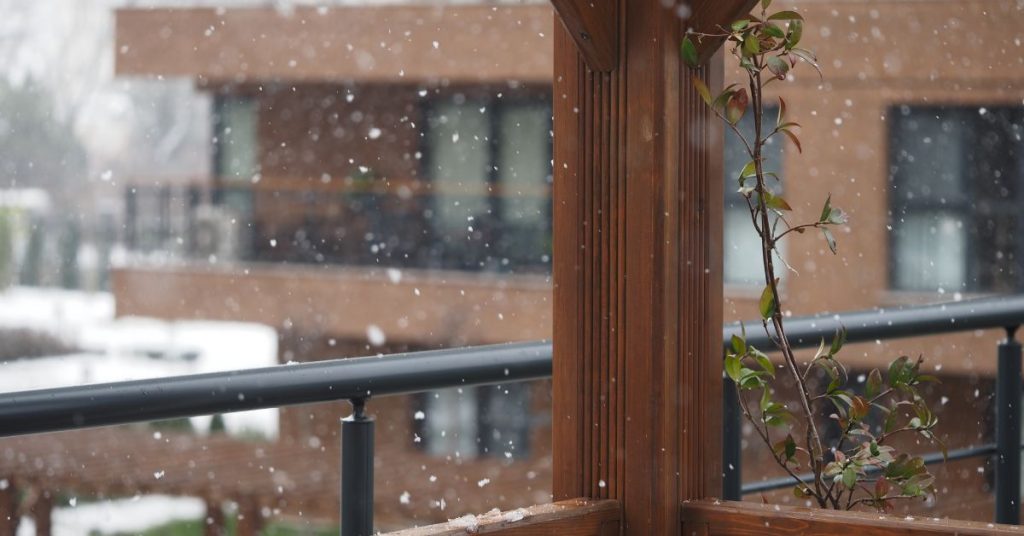
If you want perennial flowering plants to return year after year, or if you’d like to save annual plant investments, overwintering strategies extend your garden’s life beyond one season.
Understanding What Survives: Plant cold hardiness refers to the minimum temperature a plant tolerates. However, container-grown plants are less cold-hardy than the same plants grown in the ground because roots in containers are exposed to air temperature rather than insulated by earth.
As a rule of thumb, subtract 1-2 hardiness zones for container plants. A plant rated hardy to Zone 5 in the ground might only survive Zone 7 conditions in a container. This means many plants listed as “perennial” won’t survive winter in containers on exposed balconies.
Strategies for Cold Protection:
Option 1: Move Containers Indoors If you have space, moving containers to an unheated garage, shed, or basement protects them from severe cold while maintaining dormancy. Water sparingly (just enough to prevent complete drying) once or twice during winter.
This works well for hardy perennials and deciduous plants that drop their leaves. Flowering plants don’t need light during dormancy, making dark basements perfectly acceptable.
Option 2: Insulate Containers in Place For containers too large to move or balconies where some plants can stay:
- Group containers together (they insulate each other)
- Wrap containers with bubble wrap, burlap, or commercial insulation wraps
- Elevate containers on pot feet (prevents freezing to the balcony surface)
- Create windbreaks with temporary screens
- Pile mulch or leaves around (not over) pots for extra insulation
This approach works for plants hardy in your zone but provides extra protection against temperature fluctuations.
Option 3: Take Cuttings Many annuals root easily from cuttings. Snip 4-6 inch stem sections, remove lower leaves, place in water or growing medium, and keep in a bright indoor location. These cuttings develop into rooted plants you can transplant outdoors next spring.
This works particularly well for expensive annual varieties like exotic coleus or special begonias. You preserve the plant genetics without sacrificing indoor space to full-sized pots all winter.
Option 4: Treat as Annuals The simplest approach: accept that some plants won’t survive winter and plan to replace them annually. This isn’t wasteful if you think of it like any other seasonal decoration.
Annual replacement allows you to experiment with new varieties each year rather than maintaining the same plants indefinitely. Many urban gardeners prefer this approach for its flexibility and lower winter maintenance demands.
Preparing Containers for Winter: For containers staying outdoors:
- Water thoroughly before the ground freezes (dry soil freezes faster and can damage roots)
- Remove saucers (trapped water will freeze and can crack containers)
- Ensure good drainage (frozen standing water expands and cracks pots)
- Consider covering soil surface with mulch (reduces temperature fluctuation)
- Secure lightweight containers (winter winds can topple them)
For containers coming indoors:
- Inspect carefully for pest hitchhikers
- Clean container exteriors
- Water before bringing in (but don’t overwater)
- Gradually acclimate plants if moving to heated spaces (sudden environment changes stress plants)
Troubleshooting Common Problems
Even experienced container gardeners encounter problems. Here’s how to diagnose and address the most common issues:
Plants Not Flowering: Possible causes:
- Insufficient light: Most flowering plants need at least 4-6 hours of sun. Solution: Move containers to brighter locations or switch to shade-tolerant varieties.
- Too much nitrogen: Excess nitrogen promotes foliage at flower expense. Solution: Switch to a bloom-boosting fertilizer with higher phosphorus (middle number).
- Young plants: Some varieties take time to reach flowering size. Solution: Patience, or purchase plants already in bud.
- Wrong season: You might be expecting blooms outside the plant’s natural flowering period. Solution: Verify bloom time for your varieties.
Wilting Despite Wet Soil: This confusing symptom indicates root problems, not thirst:
- Root rot: Overwatering or poor drainage leads to root death. Solution: Improve drainage, reduce watering frequency, repot if severely affected.
- Root-bound plants: Roots circling the container can’t absorb water efficiently. Solution: Transplant to larger containers or trim roots and repot.
- Pest damage: Root-feeding pests (rare in balcony containers but possible). Solution: Inspect roots; treat or discard severely affected plants.
Yellowing Leaves: Location and pattern matter for diagnosis:
- Lower leaves yellowing first: Usually nitrogen deficiency. Solution: Increase fertilization.
- All-over yellowing: Possible overwatering, root problems, or compacted soil. Solution: Check drainage and roots.
- Yellowing between veins: Often iron deficiency (especially in acid-loving plants grown in alkaline conditions). Solution: Acidify soil or apply chelated iron.
- Sudden yellowing: Possibly temperature stress or recent transplant shock. Solution: Time and protection from extremes.
Leggy, Stretched Growth: Plants stretching toward light or producing weak, elongated stems:
- Insufficient light: Even “shade-tolerant” plants need some light. Solution: Increase light exposure or switch varieties.
- Too much nitrogen: Excess promotes rapid but weak growth. Solution: Adjust fertilizer.
- Natural growth habit: Some plants are just tall and open. Solution: Pinch tips regularly to encourage bushier growth.
Salt Buildup: White crusty deposits on container rims or soil surface indicate salt accumulation from fertilizers and water minerals:
- Prevention: Use rainwater when possible; flush containers periodically with clear water
- Solution: Scrape off surface crust; leach containers by watering heavily until water runs freely from drainage holes (repeat several times)
Sustainable Practices for Balcony Flowering
Container gardening can be environmentally responsible with thoughtful practices:
Water Conservation:
- Collect rainwater in containers for irrigation (reduces municipal water use and provides mineral-free water plants prefer)
- Use drip irrigation or soaker systems that target water at roots rather than evaporating from leaves
- Mulch container surfaces (2-inch layer reduces evaporation by 25-40%)
- Choose drought-tolerant varieties when possible
Organic Fertilization:
- Compost tea provides gentle nutrition without synthetic chemicals
- Worm castings offer slow-release organic nutrients
- Fish emulsion or seaweed extracts supply balanced nutrition organically
- Many organic options work perfectly well in containers despite marketing suggesting otherwise
Container Reuse and Recycling:
- Quality containers last many years with basic care
- Plastic containers that crack can often be repurposed (cut down into smaller sizes, use as saucers, etc.)
- Terra cotta shards make excellent drainage material for other pots
- Consider creative repurposing of household items as containers (anything that holds soil and can have drainage holes added)
Pollinator Support: Even balcony gardens contribute to pollinator health:
- Choose single-flowered varieties (doubles often lack accessible pollen/nectar)
- Select various flower shapes (tubular, flat, bell-shaped) to accommodate different pollinator types
- Bloom succession throughout the season (constant food source)
- Avoid systemic pesticides that harm beneficial insects
Research from the Xerces Society confirms that urban balcony gardens collectively provide significant habitat for pollinators, especially in areas where ground-level green space is limited.
Technology and Tools for Balcony Gardeners
Modern technology can simplify balcony container gardening significantly:
Moisture Monitoring: Rather than guessing when to water, moisture meters provide objective measurements. Insert the probe into soil; it reads moisture levels several inches down where roots actually grow (surface moisture can be misleading).
Basic mechanical meters cost $10-15. Digital versions with multiple functions (moisture, light, pH) run $20-40. Either type removes much of the guesswork from watering schedules.
Automated Irrigation: For larger balcony gardens or frequent travelers, automated watering systems maintain plants during absence:
- Drip systems: Deliver water directly to each container via tubing
- Timer-controlled hose systems: Simple timers attach to hose spigots, watering on set schedules
- Smart systems: Connect to WiFi and adjust based on weather data (water less after rain, more during heat waves)
Installation ranges from simple DIY (basic timers) to more complex (multi-zone drip systems with controllers).
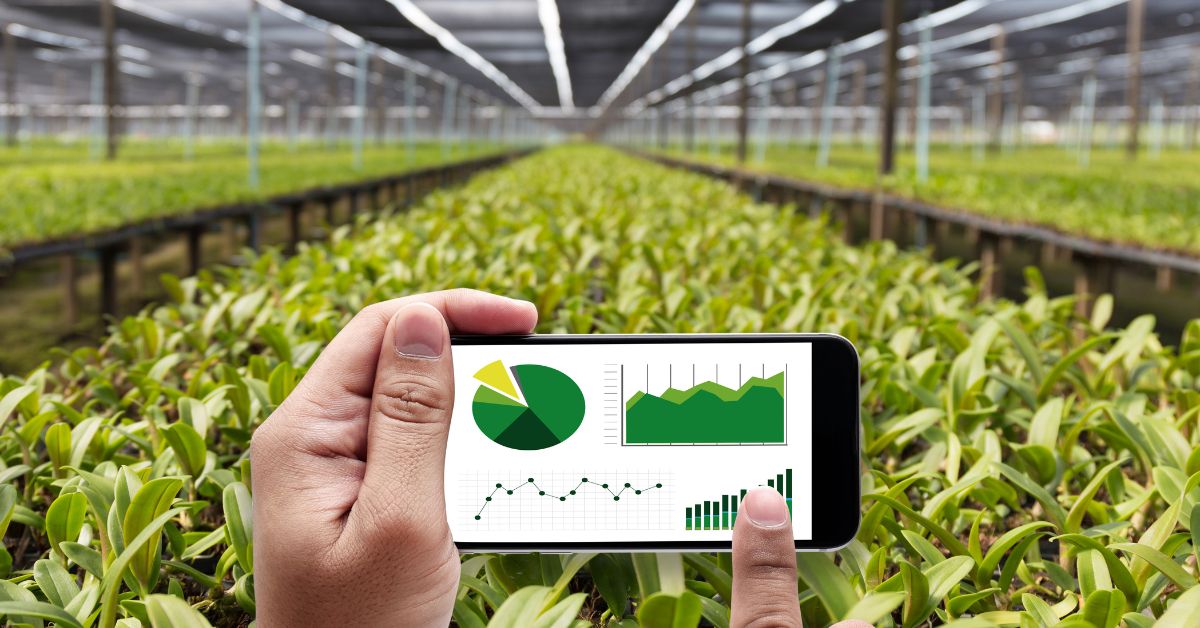
Apps and Digital Assistance: Smartphone apps help with:
- Plant identification (upload photos to identify unknown plants)
- Care reminders (watering, fertilizing schedules)
- Pest diagnosis (compare symptoms to database photos)
- Garden planning (visualize arrangements before purchasing)
Integrated platforms from AiFarming combine monitoring, care recommendations, and community knowledge sharing, making container gardening more accessible to beginners while offering depth for experienced gardeners.
Growing Lights: Not all balconies receive adequate natural light. Supplemental LED grow lights extend the range of plants you can successfully grow. Modern LED fixtures use minimal electricity while providing full-spectrum light that supports both foliage and flowering.
This technology makes flowering container gardens viable even on heavily shaded balconies or those with northern exposures that might otherwise limit plant selection severely.
Building Confidence Through Experience
Starting a balcony flower garden doesn’t require perfection from day one. Experienced container gardeners developed their skills through seasons of trial, observation, and adjustment.
Start Small: Resist the urge to fill every available space immediately. Begin with 3-5 containers of proven, easy varieties. Master basic care routines, understand how your specific balcony’s conditions affect plants, then gradually expand.
This approach builds confidence through small successes rather than overwhelming you with extensive maintenance demands before you’ve developed efficient routines.
Embrace Experimentation: Not every plant will thrive in your conditions. Some of the most valuable learning comes from failures. When a plant doesn’t perform well, analyze why:
- Was light exposure appropriate?
- Did you provide adequate water without overwatering?
- Was the container size appropriate?
- Did weather extremes stress the plant?
Understanding failures teaches you more about your growing conditions than successes do. This knowledge guides better choices in subsequent seasons.
Connect with Community: Urban gardeners share common challenges. Online communities, local gardening clubs, and even neighbors with balcony gardens provide support and inspiration.
Sharing cuttings, trading containers, and exchanging care tips builds both social connections and gardening success. You’ll discover what varieties perform particularly well in your climate and microclimate through others’ experiences.
Document Your Garden: Take photos throughout the season not just at peak beauty, but also at planting time and during challenges. Record what you planted, when you planted it, and how it performed.
This documentation becomes invaluable for planning future seasons. You’ll remember which varieties thrived, which container arrangements looked best, and which experiments to repeat or avoid.
Conclusion: Your Blooming Oasis Awaits
Transforming a bare balcony into a flowering paradise isn’t about having a green thumb it’s about understanding your specific growing conditions and choosing plants that naturally thrive there. The difference between frustrating failures and Instagram-worthy successes often comes down to matching plants to place rather than horticultural skill.
Start by honestly assessing your balcony’s unique characteristics: light patterns throughout the day, wind exposure, temperature fluctuations, and structural limitations. These factors determine which plants will flourish versus merely survive.
Select containers that fit your space constraints and weight limitations while providing adequate root volume for mature plant size. Fill them with quality container mix rather than garden soil, and commit to consistent watering and feeding schedules that container-grown plants require.
Choose flowering plants suited to your assessed conditions rather than whatever looks prettiest at the garden center. Discover comprehensive guides on selecting and growing flowering plants specifically for container cultivation that address the unique challenges of balcony environments.
Begin with a manageable number of containers, master the basics of care and maintenance, then expand your collection as confidence grows. Every season teaches valuable lessons about your microclimate and the plants that excel there.
Your balcony represents untapped potential square footage that could provide beauty, fragrance, and a connection to growing things despite urban living constraints. With thoughtful selection and consistent care, even the smallest balcony can become a personal sanctuary filled with color and life throughout the growing season.
The plants you choose, the arrangements you create, and the care routines you establish transform your balcony from overlooked space into a destination. Whether you’re enjoying morning coffee surrounded by blooms or unwinding after work in your personal garden oasis, modern container gardening technology and techniques make success accessible to anyone willing to invest modest time and attention into their vertical paradise.