
Winter doesn’t mean your gardening journey has to end. While many Canadians assume gardening stops when temperatures drop, the cold months actually offer unique opportunities for year-round food production, garden preparation, and indoor growing projects. Whether you’re maintaining outdoor cold-hardy crops, planning next season’s garden, or cultivating fresh greens indoors, winter gardening keeps you connected to growing food even when snow blankets the ground.
This comprehensive guide addresses the specific challenges and opportunities of Canadian winter gardening from protecting outdoor plants through harsh conditions to maximizing indoor growing spaces during our long, dark winters. You’ll discover practical techniques for extending your harvest, maintaining soil health during dormancy, and preparing for the most productive spring planting season you’ve ever experienced.
Understanding Canada’s Winter Growing Conditions
Canadian winters present unique challenges that differ dramatically from the temperate climates featured in most gardening guides. Our growing zones range from the mild coastal climates of British Columbia (Zone 8-9) to the harsh prairie winters of Saskatchewan and Manitoba (Zone 2-3), requiring region-specific approaches.
Hardiness Zones and Microclimates:
Canada’s plant hardiness zones, developed by Natural Resources Canada, range from Zone 0 (coldest) to Zone 9 (mildest). However, microclimates within your property can vary by 1-2 zones. South-facing walls absorb and radiate heat, creating warmer pockets. Low-lying areas accumulate cold air, making them frost-prone even when surrounding areas stay warmer.
Understanding your specific microclimate allows strategic placement of cold frames, row covers, or winter containers in the most protected locations. That sunny corner against your garage might support crops that would freeze in your open garden just meters away.
Daylight Duration Impact:
Beyond cold temperatures, reduced daylight hours significantly affect winter growing. Toronto receives only 8.5 hours of daylight at the winter solstice compared to 15.5 hours in June. Many vegetables need 10-14 hours of light daily for vigorous growth. Without supplemental lighting, indoor winter gardens often produce slowly or become leggy and weak.
This light limitation means selecting crops adapted to low-light conditions or investing in grow lights for indoor production. Smart indoor growing systems can optimize light exposure even during dark Canadian winters.
Temperature Fluctuations:
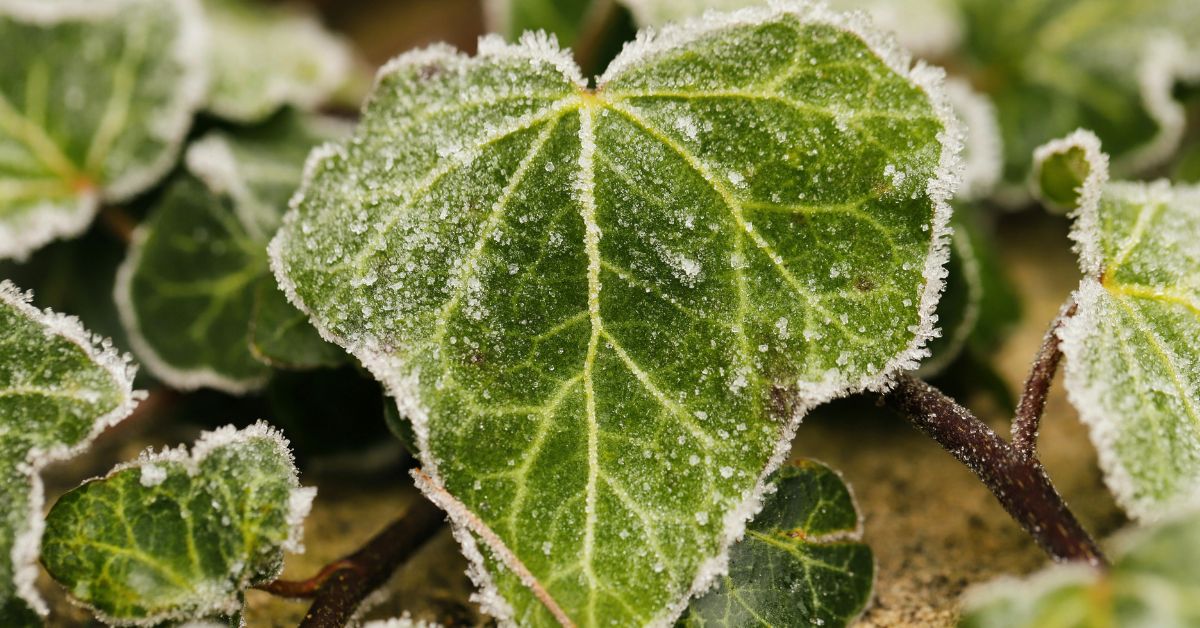
Canadian winters bring dramatic temperature swings bitter cold punctuated by sudden warm spells. These fluctuations stress plants more than consistent cold. Repeated freeze-thaw cycles damage cell structures, heave roots from soil, and crack containers.
Protection strategies must address not just extreme lows but also rapid temperature changes. Insulation, mulching, and strategic placement buffer plants from these damaging fluctuations.
Cold-Hardy Crops That Thrive in Canadian Winters
Certain vegetables actually improve in flavor after frost exposure. Cold temperatures convert starches to sugars, creating sweeter, more complex flavors in specific crops:
Leafy Greens for Outdoor Overwintering:
Kale tolerates temperatures down to -15°C with minimal protection. Established plants overwinter successfully in Zone 6 and warmer, providing fresh harvests throughout winter during mild periods. Varieties like ‘Winterbor’ and ‘Redbor’ are specifically bred for cold tolerance.
Spinach survives under snow cover, resuming growth during thaws. Fall-planted spinach develops extensive root systems before winter, enabling quick spring regrowth often 2-3 weeks before spring-planted spinach reaches harvestable size. Varieties like ‘Winter Bloomsdale’ excel in cold conditions.
Mâche (Corn Salad) is extraordinarily cold-hardy, surviving temperatures below -20°C with snow cover. This European green remains largely unknown to Canadian gardeners despite being perfectly suited to our climate. It self-sows readily, requiring minimal management once established.
Winter Root Vegetables:
Carrots left in ground with heavy mulch remain harvestable all winter in many Canadian regions. Cold sweetens them noticeably winter-harvested carrots taste dramatically better than those stored indoors. Varieties like ‘Napoli’ and ‘Bolero’ excel for winter production.
Parsnips actually require frost exposure to develop their characteristic sweet, nutty flavor. Plant in spring, leave in ground through winter, and harvest as needed. They’re virtually indestructible once established, tolerating -20°C and below.
Turnips and Rutabagas withstand hard freezes, improving in flavor and texture after frost. These underutilized vegetables deserve more attention from Canadian gardeners they’re productive, cold-hardy, and increasingly featured in modern cuisine.
Brassicas for Extended Harvest:
Brussels Sprouts actually improve after frost, with cold breaking down bitter compounds. In moderate Canadian zones (6-7), they remain harvestable into December or even January. Growing brassicas successfully requires attention to soil health and pest management.
Cabbage varieties like ‘January King’ overwinter successfully with protection, providing fresh harvests during winter thaws. Late-season planting times for overwintering cabbage differ from spring cabbage—timing matters significantly.
Cold Frames and Season Extension Structures:
Simple structures dramatically extend growing seasons without expensive greenhouse construction. Cold frames essentially bottomless boxes with transparent tops capture solar heat during the day and release it slowly at night, creating microclimates 10-15°C warmer than ambient temperatures.
DIY Cold Frame Construction:
Build frames using reclaimed windows, polycarbonate panels, or even clear plastic sheeting over simple wooden boxes. The key is insulation: at least 2 inches of rigid foam insulation on sides and backs prevents heat loss while allowing solar gain through transparent tops.
Position cold frames facing south for maximum sun exposure. Angle tops at 35-45 degrees to capture low winter sun effectively. Include ventilation mechanisms even winter sun can overheat sealed frames on bright days.
Row Cover Techniques:
Floating row covers (spun polyester fabric) provide 2-8°C of frost protection depending on weight. Unlike solid structures, they’re lightweight, inexpensive, and easily draped over crops. Multiple layers increase protection two layers of lightweight row cover provide protection equivalent to one heavy cover.
Secure edges with soil, boards, or landscape staples. Loose covers allow wind to whip underneath, negating insulation value. For crops that remain in place all winter, construct simple hoops from PVC pipe or flexible wire, supporting row covers above plants rather than resting directly on foliage.
Indoor Winter Gardening: Fresh Harvests Year-Round
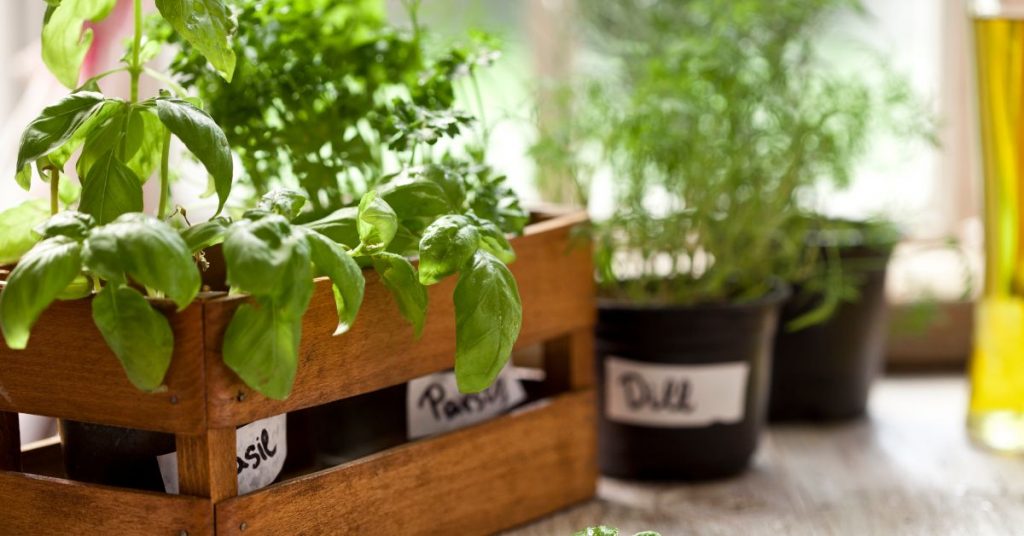
Indoor growing ensures continuous fresh production regardless of outdoor conditions. Modern LED grow lights, compact hydroponic systems, and strategic crop selection make indoor winter gardening more accessible than ever.
Optimal Crops for Indoor Winter Production:
Microgreens produce harvestable crops in 7-21 days, requiring minimal space and equipment. Grow them in shallow trays on windowsills or under basic shop lights. Varieties like sunflower shoots, pea shoots, radish microgreens, and broccoli sprouts pack intense flavors and nutrients into tiny plants.
One 10×20 inch tray produces enough microgreens for several salads or sandwich toppings. Succession planting (starting new trays every week) ensures continuous harvest. Starting seeds indoors successfully requires understanding proper moisture, temperature, and light conditions.
Herbs for Winter Windowsills:
Basil struggles in low winter light but survives with supplemental lighting. Position pots within 6 inches of grow lights or in south-facing windows. Pinch regularly to encourage bushy growth and delay flowering.
Parsley tolerates lower light better than basil, making it ideal for winter windowsills. Both flat-leaf and curly varieties adapt well to container growing. Start from transplants rather than seed for faster establishment.
Chives go dormant naturally in winter but can be forced into production. Pot up divisions from outdoor clumps in fall, allowing cold exposure for 4-6 weeks, then bring indoors. This cold period satisfies dormancy requirements, triggering vigorous growth indoors.
Lettuce and Salad Greens:
Loose-Leaf Lettuce varieties like ‘Black Seeded Simpson’ or ‘Oak Leaf’ produce continuously with cut-and-come-again harvesting. Remove outer leaves while allowing centers to continue growing. With adequate light, single plants produce for 2-3 months.
Arugula grows vigorously indoors, often too vigorously it bolts (flowers) quickly in warm indoor temperatures. Succession planting every 2 weeks maintains supply. Baby arugula harvested at 3-4 inches provides the mildest flavor.
Asian Greens like mizuna, tatsoi, and bok choy tolerate indoor conditions well, growing faster than lettuce while offering different flavors and textures. Understanding growing stages of different crops helps optimize harvest timing.
Grow Light Fundamentals:
Modern LED grow lights dramatically outperform older fluorescent technology in efficiency, spectrum quality, and longevity. Look for full-spectrum lights (including both blue and red wavelengths) specifically designed for plant growth rather than generic LED bulbs.
Light Duration: Most vegetables need 12-16 hours of light daily. Use inexpensive outlet timers to automate lighting schedules consistency matters more than total hours.
Light Distance: LED lights should be positioned 6-12 inches above plant tops. Too close causes bleaching or burning; too far results in leggy, weak growth. Adjust height as plants grow.
Light Intensity: Measured in PPFD (Photosynthetic Photon Flux Density), different crops have different requirements. Leafy greens tolerate 200-400 PPFD; fruiting crops like tomatoes or peppers need 400-600 PPFD. Optimizing plant health with proper lighting ensures robust indoor production.
Preparing Your Garden for Spring During Winter
Winter provides opportunity for tasks impossible during growing season. Strategic winter work creates healthier, more productive gardens for the year ahead.
Soil Building and Amendment:
Winter Cover Cropping: In regions where ground doesn’t freeze until late December or beyond (coastal BC, Southern Ontario), fall-planted cover crops like winter rye, hairy vetch, or field peas germinate before winter, then resume growth in early spring. These crops prevent erosion, suppress weeds, fix nitrogen (legumes), and add organic matter when incorporated before spring planting.
Plant cover crops 4-6 weeks before first expected hard freeze. This gives adequate time for germination and establishment without excessive growth that makes spring incorporation difficult.
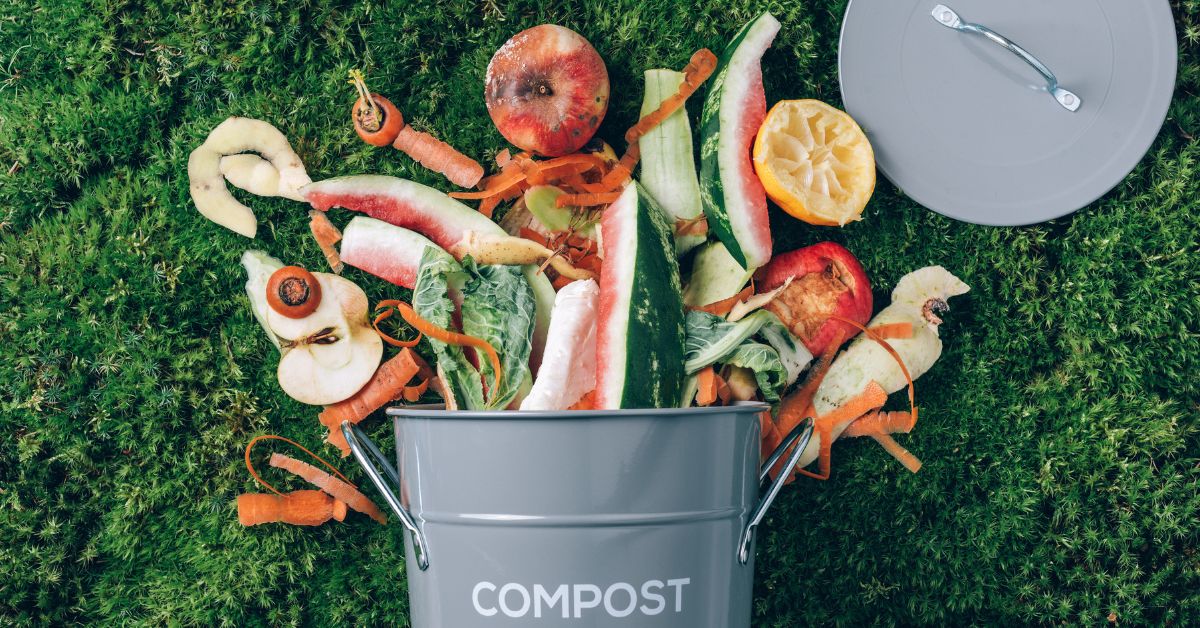
Compost Management: Winter composting continues, though decomposition slows in cold temperatures. According to research from the University of Guelph, insulated compost bins maintain active decomposition even when outdoor temperatures fall below freezing. Add kitchen scraps, shredded leaves, and other organic materials throughout winter. By spring, you’ll have finished compost ready for garden incorporation.
Sheet Mulching Over Winter: Layer cardboard or newspaper over designated garden areas, top with 6-8 inches of organic matter (leaves, straw, compost, aged manure). Over winter, this smother-mulch kills existing vegetation while decomposing into soil improvement. By spring, plant directly into the mulch layer no tilling required. Building healthy soil naturally creates the foundation for productive gardens.
Tool Maintenance and Organization:
Winter offers time for tasks neglected during busy growing season:
Tool Cleaning and Sharpening: Remove soil from shovels, hoes, and hand tools. Sand away rust using steel wool or wire brushes. Sharpen blade edges with files or grinders. Oil metal parts to prevent rust. Replace worn handles before spring demand makes new tools expensive and hard to find.
Equipment Servicing: Service tillers, mowers, and other power equipment during winter when repair shops aren’t overwhelmed with spring rush. Change oil, replace spark plugs, sharpen mower blades, and address any issues noticed last season.
Inventory and Organization: Catalog remaining seeds, noting expiration dates. Most vegetable seeds remain viable 2-5 years if stored cool and dry. Inventory fertilizers, pest control products, and other supplies. Create shopping lists for spring needs while prices and selection remain good.
Garden Planning and Design:
Crop Rotation Planning: Review last season’s planting records. Plan crop rotations to prevent disease buildup and soil depletion. Basic rotation principles: avoid planting related crops in the same location for 3-4 years. Follow heavy feeders (tomatoes, corn, brassicas) with light feeders or nitrogen-fixing legumes.
Succession Planting Schedules: Rather than planting entire crops at once, stagger plantings for continuous harvest. Plan spring lettuce sowings every 2 weeks from early March through May. Schedule beans, carrots, and other quick-maturing crops similarly. Winter planning ensures you have seeds and schedules ready rather than improvising during hectic spring.
New Variety Research: Winter provides time to research new varieties offering disease resistance, better flavor, or improved adaptation to your specific conditions. Seed catalogs arrive in December and January reviewing them carefully leads to better selections than rushed spring ordering. Choosing appropriate varieties for your climate significantly impacts success.
Protecting Perennials and Overwintering Plants
Established perennial vegetables, herbs, and fruits require winter protection to survive Canadian cold and emerge vigorously in spring.
Mulching for Winter Protection:
Apply 4-6 inches of organic mulch (straw, shredded leaves, wood chips) around perennial crops after the ground begins freezing. Mulch applied too early encourages rodent nesting. Applied too late, it doesn’t provide adequate insulation.
Mulch serves multiple purposes: insulates roots from extreme cold, prevents freeze-thaw heaving, retains soil moisture, and suppresses early weed germination. In spring, pull mulch away from plant crowns to allow soil warming and prevent rot.
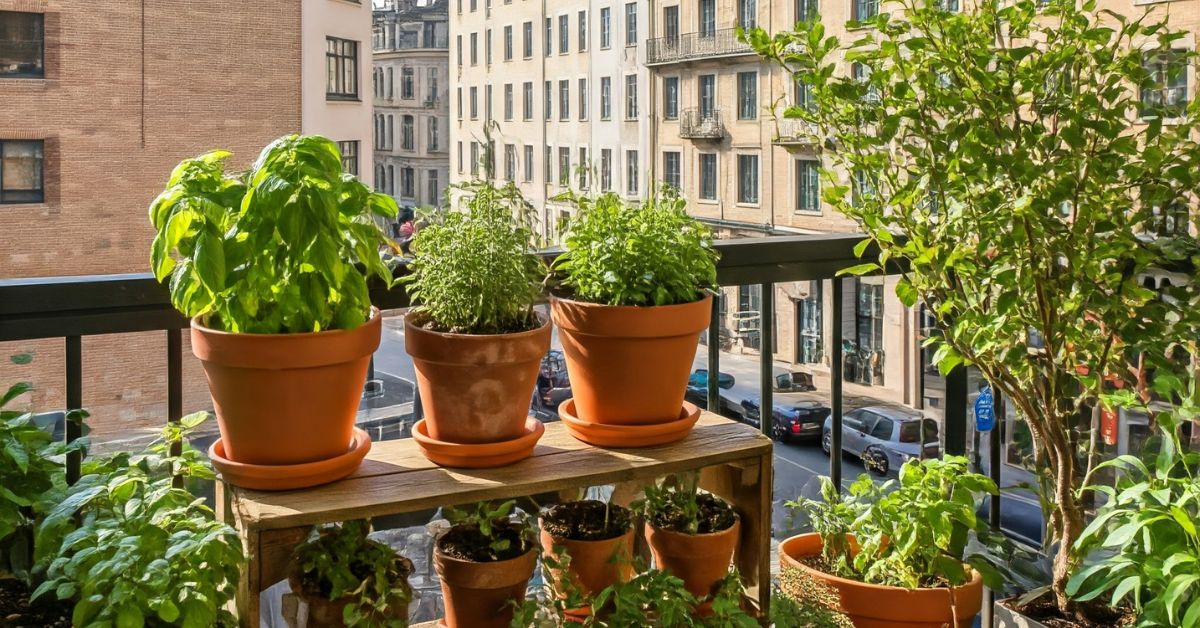
Protecting Container Plants:
Containers are vulnerable to freezing solid, killing roots even of hardy plants. Options for protection:
Move Indoors: Hardy herbs like rosemary, sage, and thyme survive indoors with adequate light. Place in cool rooms (10-15°C) rather than overheated living spaces. Growing herbs successfully indoors maintains fresh flavors through winter.
Insulate in Place: Wrap containers with bubble wrap, burlap, or specialized insulation blankets. Cluster pots together they insulate each other. Position against south-facing walls for additional warmth.
Bury Containers: Dig holes in gardens, sink containers to rim level, and mulch heavily. This protects roots while maintaining dormancy necessary for perennials.
Fruit Protection Strategies:
Strawberry Beds: After several hard freezes, cover strawberry beds with 4-6 inches of straw. This prevents crown damage and heaving. Remove covering gradually in spring when growth resumes. Managing berry crops successfully ensures productive harvests year after year.
Raspberry Canes: Tie long canes together to prevent wind damage and snow breakage. In harsh climates (Zone 4 and colder), bend canes to ground level and cover with soil or mulch for additional protection.
Fruit Trees and Shrubs: Protect trunks from sun scald (southwest injury caused by daytime heating followed by nighttime freezing) with white tree wrap or paint. Guard against rodent damage by installing hardware cloth cylinders around bases. Understanding plant health throughout seasons helps identify and address winter stress.
Dealing with Winter Garden Pests and Diseases
While pest pressure decreases in winter, certain problems persist or emerge:
Rodent Damage Prevention:
Voles, mice, and rabbits cause significant winter damage to garden areas:
Voles tunnel under snow, girdling perennial roots and bulbs. They’re particularly destructive to garlic, strawberries, and young fruit trees. Control involves removing thick mulch near plant crowns (voles use it for cover) and setting traps along active runways.
Mice nest in compost bins and under thick mulch, eating seeds and stored vegetables. Keep compost bins enclosed with hardware cloth. Store seeds in rodent-proof containers.
Rabbits browse on stems and bark of shrubs and trees. Install fencing or individual tree guards extending 18-24 inches above expected snow depth. Dealing with garden pests sustainably protects plants without harmful chemicals.
Disease Prevention:
Good Sanitation: Remove diseased plant material before winter. Many fungal spores overwinter on dead foliage, reinfecting gardens in spring. Dispose of diseased material in municipal green bins (properly composted) or trash never compost diseased plants in home systems that don’t achieve adequate temperatures.
Air Circulation: Even under row covers or in cold frames, ensure adequate ventilation. Stagnant, humid air encourages fungal diseases like powdery mildew and botrytis. Vent structures on warm days to prevent condensation buildup.
Crop Rotation Planning: Many soil-borne diseases persist for years. Planning rotations prevents planting susceptible crops where diseases are present. For example, never follow tomatoes with peppers or potatoes (all Solanaceae family sharing diseases).
Winter Harvesting Techniques
Harvesting from frozen gardens requires different approaches than summer picking:
Timing Harvests:
Harvest cold-hardy crops during mild periods when temperatures rise above -5°C. Frozen vegetables become brittle and damaged during harvest wait for slight thawing.
Morning harvests work best. Vegetables that froze overnight often thaw by late morning on sunny winter days, making harvest easier without requiring waiting for afternoon.
Storage After Harvest:
Root Vegetables: Carrots, parsnips, and other roots harvested from frozen ground should be used within days or processed immediately (blanching and freezing). They don’t store as long as fall-harvested roots since freezing damages cell walls.
Leafy Greens: Use winter-harvested greens immediately. They deteriorate quickly compared to summer harvests. Fortunately, cold-sweetened greens are so delicious you’ll want to use them immediately anyway.
Brussels Sprouts: Harvest from bottom of stalk upward as sprouts mature. Twist sprouts off rather than cutting this prevents disease entry points. Maximizing harvests from limited space applies even in winter conditions.
Technology and Innovation in Winter Growing
Modern technology makes winter growing more productive and less labor-intensive:
Smart Monitoring Systems:
Advanced growing platforms track temperature, humidity, soil moisture, and light levels in both indoor and outdoor growing spaces. These systems provide alerts when conditions drift outside optimal ranges, allowing prompt intervention before crops suffer damage.
Automated data collection identifies patterns invisible to casual observation. Perhaps your basement growing area experiences humidity spikes overnight, or your cold frame overheats on sunny afternoons. Monitoring systems reveal these issues, enabling corrections that improve success rates dramatically.
LED Technology Advances:
Modern LEDs consume 50-75% less electricity than older fluorescent or HID grow lights while producing superior spectrum and intensity. Initial costs remain higher, but energy savings recover investment within 1-2 growing seasons.
Programmable LEDs adjust intensity and spectrum throughout the day, mimicking natural sunlight cycles. Some systems even adjust red-to-blue ratios optimizing for vegetative growth versus flowering stages.
Hydroponics and Controlled Environment:
Hydroponic systems growing plants in nutrient solutions rather than soil offer several winter advantages:
- Faster growth rates (20-30% quicker than soil)
- Higher yields per square foot
- Precise nutrient control
- Elimination of soil-borne diseases
- Clean, indoor-friendly setup
Urban farming innovations make sophisticated growing systems accessible to home gardeners, not just commercial operations.
Regional Considerations Across Canada
Winter gardening strategies vary significantly by Canadian region:
Coastal British Columbia (Zones 7-9):
Mild winters allow outdoor production of lettuce, kale, chard, and Asian greens with minimal protection. Hardy winter vegetables like leeks, brussels sprouts, and cabbage overwinter successfully. Focus on maximizing outdoor potential with cold frames and row covers rather than indoor growing.
Prairie Provinces (Zones 2-4):
Extreme cold and limited winter light make outdoor production impossible. Focus on indoor growing, season extension in fall and spring (rather than winter), and thorough garden preparation during brief warm months. Cold frames work for very early spring and late fall but not true winter. Growing successfully in challenging climates requires adapting techniques to specific conditions.
Central Canada (Zones 4-6):
Moderate conditions allow balanced approach: cold frames and heavy mulching for limited outdoor harvests of ultra-hardy crops, plus robust indoor growing programs. Focus on crops like spinach, mâche, and carrots that tolerate freeze-thaw cycles common in these zones.
Atlantic Canada (Zones 5-6):
Maritime influence moderates temperatures but brings cloudy conditions limiting solar gain in cold frames. Invest in supplemental heating for season extension structures or focus on indoor growing with artificial lighting rather than depending on inconsistent winter sun.
Conclusion: Embracing Year-Round Growing
Winter gardening transforms the coldest months from gardening downtime into opportunity. Whether you’re harvesting sweet carrots from frozen ground, snipping fresh basil from kitchen windowsills, or planning next season’s garden layout, staying connected to food growing throughout winter enriches the experience and extends the harvest season.
Success comes from matching techniques to your specific climate and goals. Don’t feel obligated to implement every strategy choose approaches that align with your space, time, and interests. Perhaps you focus entirely on indoor microgreens, or maybe you maintain simple cold frames for salad greens. Both represent winter gardening success.
Modern agricultural technology and community resources provide support for gardeners at every level, making winter production more accessible than ever. The key is starting small, learning from experience, and gradually expanding as confidence grows.
Canadian winters are long, but they don’t have to interrupt your connection to growing food. With proper planning, appropriate techniques, and realistic expectations, winter becomes an integral part of your year-round gardening journey rather than months spent waiting for spring.